Consistent, trusted relationships that help young people build confidence — because that's what changes things.
Mentoring matched to each young person — building confidence, routine and trust with the same mentor over time. Sessions can be activity-based (sport, getting out and about) or conversation-based, whatever helps the young person feel comfortable.
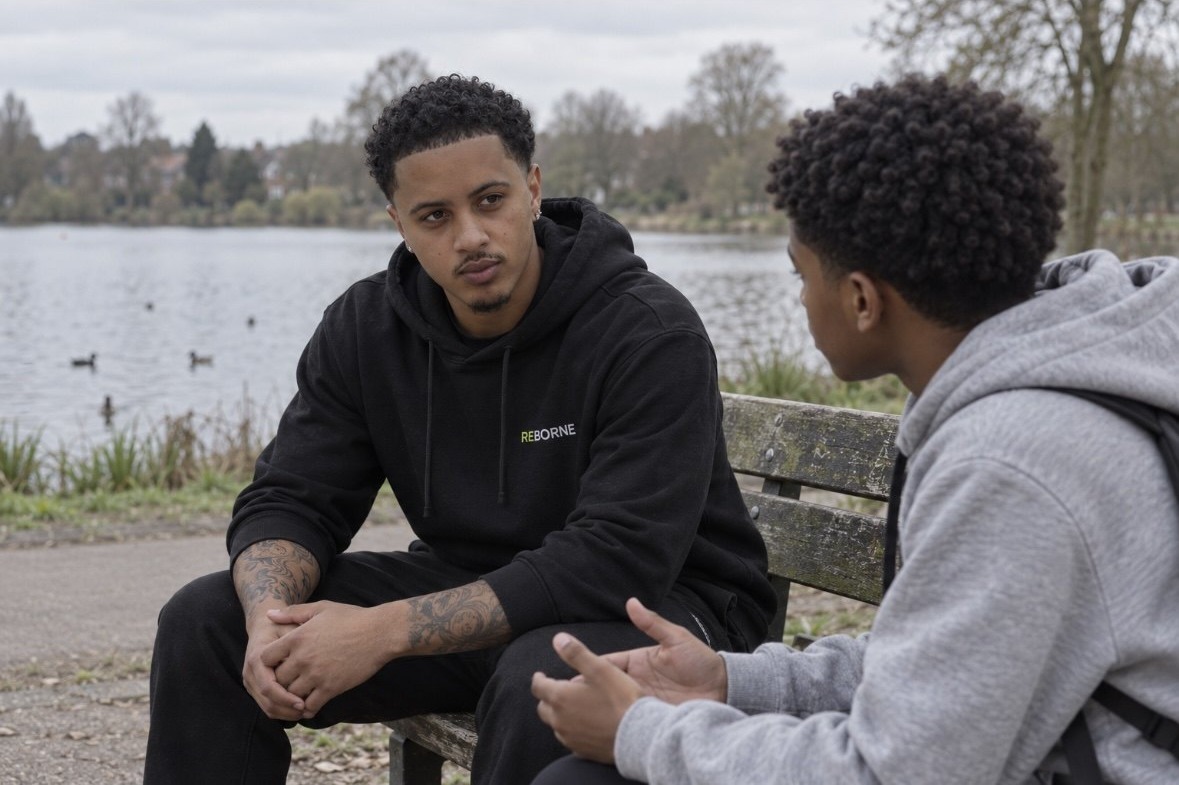
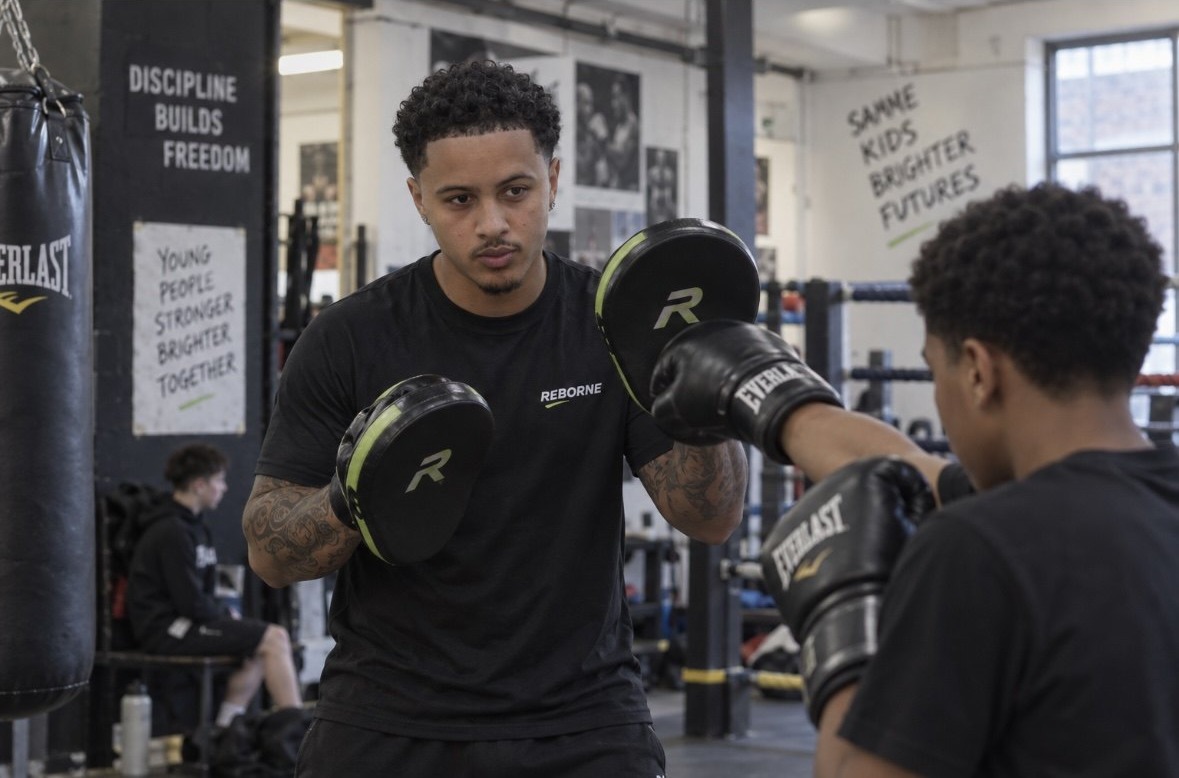
We aim to make mentoring accessible to young people with special educational needs and disabilities. We adapt our approach — pace, environment, communication — to the young person, and welcome guidance from families and schools about what works best.
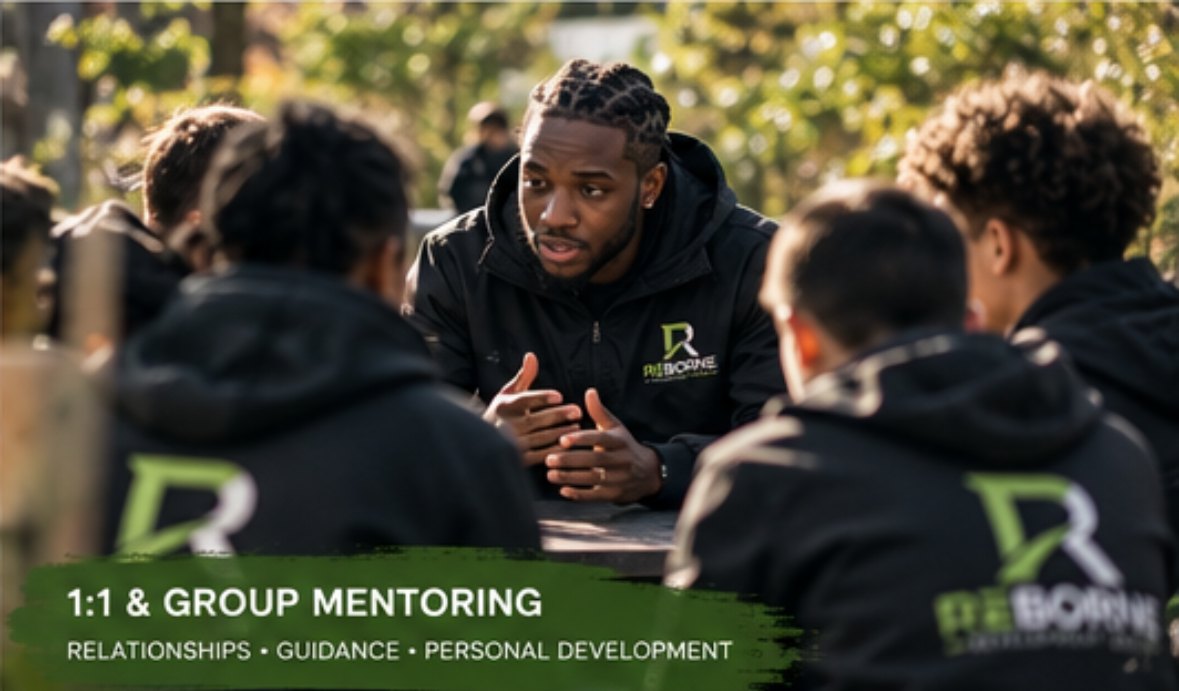
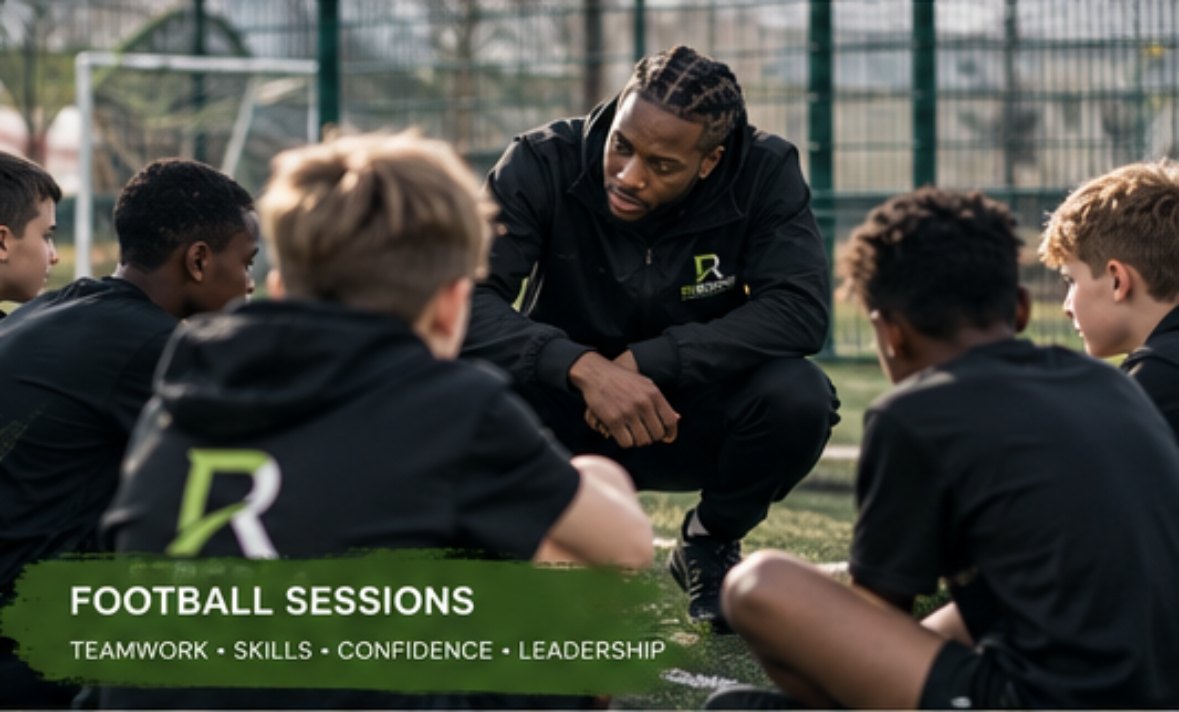
Small-group mentoring in the community — positive peer groups, team activities and local role models, for young people who do better alongside others or as a next step after 1:1 support.
We welcome enquiries from schools, family services and parents alike.
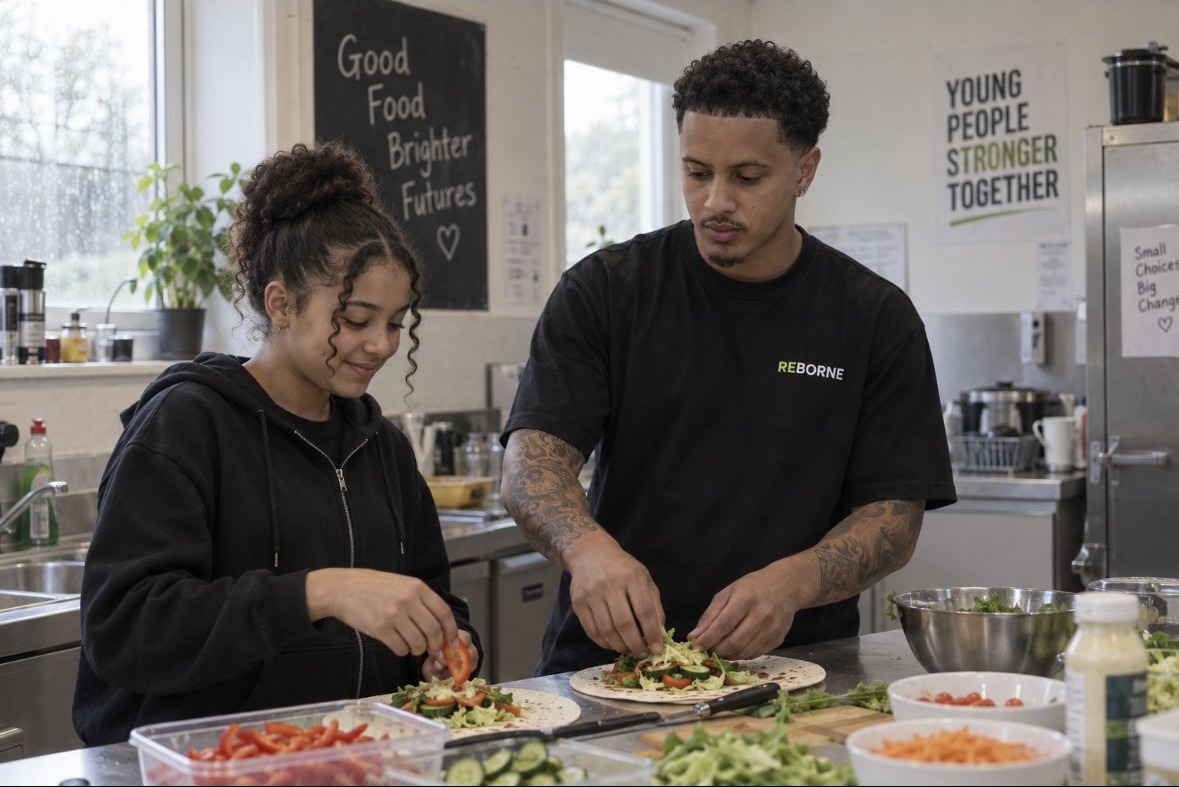
Practical support with the things that build independence: cooking, budgeting, travel, communication, and staying safe online and in the community. Often paired with our Employment & Independence support for older teens.
Movement and positive activity can support mood and confidence. Where appropriate, we use sport, activity and outdoor time to build healthy routines alongside mentoring — and we signpost to specialist wellbeing or mental-health services where a young person needs more support than we can offer directly.
We aim to build emotional resilience through trusted relationships, not through clinical treatment — mentoring is not a substitute for specialist mental-health support.
Parents and professionals can both get in touch. Tell us a little about the young person and we'll talk through whether mentoring is the right fit.